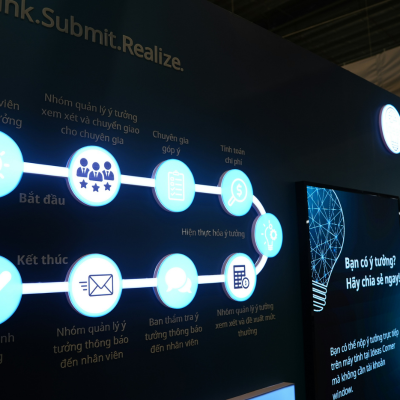


Continuous improvement is a management philosophy focused on consistently refining processes and operations. For SMEs, adopting a culture of continuous improvement can significantly enhance efficiency, productivity, and profitability.
Rather than relying on occasional major restructuring initiatives, continuous improvement encourages small, incremental changes that accumulate over time.
Businesses begin by analysing their current operations and identifying areas where inefficiencies occur. This may involve workflow bottlenecks, communication delays, duplicated tasks, or outdated procedures.
Common continuous improvement initiatives include:
• Streamlining operational workflows
• Improving internal communication processes
• Reducing waste in production or service delivery
• Enhancing reporting and performance measurement
• Strengthening employee collaboration and accountability

One of the strengths of continuous improvement is its adaptability. Teams are encouraged to contribute ideas for improving processes and solving operational challenges. This collaborative approach often leads to practical solutions that management alone might overlook.
Technology also plays an important role in continuous improvement. Digital tools can monitor performance metrics, track progress, and identify opportunities for optimisation.
For SMEs experiencing growth, continuous improvement provides a framework for maintaining operational discipline. As organisations expand, processes become more complex. Structured improvement strategies ensure systems evolve alongside the business.
Companies that embed continuous improvement into their culture often become more resilient and competitive. By focusing on efficiency and performance, they can deliver higher value to customers while maintaining sustainable growth.